


The new generation of dog owners
The face of dog ownership in the UK is getting younger.
In UK Pet Food’s 2026 survey, dog ownership among 25 to 34-year-olds had risen from 41% to 58%. Nicole Paley, the trade body’s deputy chief executive, describes younger people as “bringing dogs into their lives in a way that feels more integrated than ever before”.
That last phrase is the interesting part. For many younger owners, the dog isn’t fitted around life. It’s part of it, from the morning walk to the weekend plans. And that changes what they look for, especially when it comes to the food bowl.
Health is an everyday habit
When Purina asked UK owners about their plans for 2026, 89% of 25 to 34-year-olds named wellness and health as a top priority for their pet, compared with 64% of owners overall.
What stands out is how practical that priority is. Looking after a dog’s health comes down mostly to the daily things: a decent walk, plenty of attention and the right food in the right amount.
Food is the one decision an owner makes every day, so it’s where a lot of that care ends up. In the same Purina research, 47% of owners said they wanted to improve their pet’s nutrition through higher-quality food.
They do their research
Many younger owners look well beyond the front of the pack. UK Pet Food’s research with Vypr found that over a third of younger adults use feeding or nutrition apps as part of their routine, and one in five are turning to online communities for guidance.
That means a claim on a pack is likely to be checked: against the ingredients list, against an app, or against another owner’s experience. Clear explanations hold up well in that kind of conversation. Vague wording doesn’t.
For shops, it changes the conversation at the till too. Owners often arrive already informed, with questions to match, so staff who can explain what’s in a product, and why, have a real advantage.
Careful with money, keen on quality
Money matters to this generation, and they’re quick to switch. In a 2026 survey for Johnson’s Veterinary Products, 55% of 25 to 34-year-olds had switched pet products to save money in the past year, against 29% of owners over 55.
But the same research found something that seems to point the other way. Quality has overtaken cost as the biggest influence on what owners buy, when as recently as 2022 cost came first.
Put those together and you get a careful shopper rather than a cheap one. They’ll try something new if it looks like better value, and they’ll drop a product if it doesn’t feel worth the money. But when a food earns their trust, it can earn a place in the weekly routine.
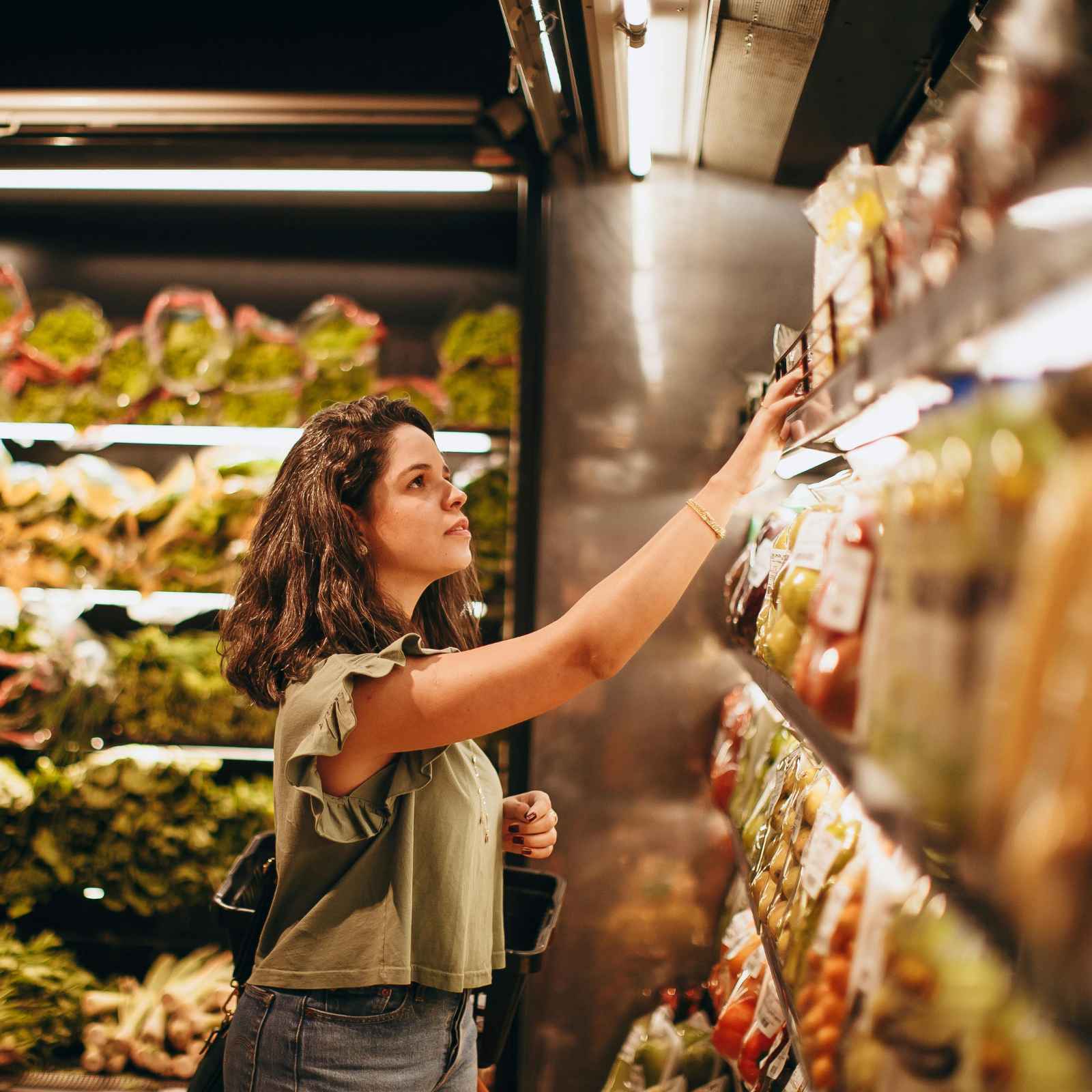
A shopper like that is likely to look past the price per pack to what they’re getting for their money: the quality of the ingredients, whether the food is the whole meal or an extra, and how much they’ll need to feed each day. They’re also open to new formats and new ways to buy, which we explore in how dog owners shop now.
What it means for us
Much of what this generation looks for is what we care about too, and it’s shaping how we’re building Ancient Fields, our premium dog nutrition brand.
They check claims, so every Ancient Fields claim is worded to match its evidence. They weigh up what a food really costs to feed, so our feeding guides need to be easy to follow. And they buy on repeat, so the range will be available by subscription.
This generation cares a lot, asks good questions and expects good answers. We’re looking forward to meeting them.
Questions about younger dog owners
Are more young people getting dogs?
Yes. UK Pet Food’s 2026 survey found dog ownership among 25 to 34-year-olds had risen from 41% to 58%.
Are younger owners more likely to switch products?
Yes. In Johnson’s Veterinary Products’ 2026 survey, 55% of 25 to 34-year-olds had switched pet products to save money in the past year, against 29% of over-55s. Quality is now the biggest single influence on what owners buy.
Share this post
28 Oct 2026
From idea to shelf: how we build a brand
Every product on a shelf started as a question. Here’s how we turn one into something you can pick up and buy, told through our first brand.
 : From idea to shelf: how we build a brand

28 Oct 2026
How dog owners shop now
A subscription, a marketplace order, a bag from the pet shop or a brand found on social media. How dog owners shop now, and what it means for Ancient Fields.
: How dog owners shop now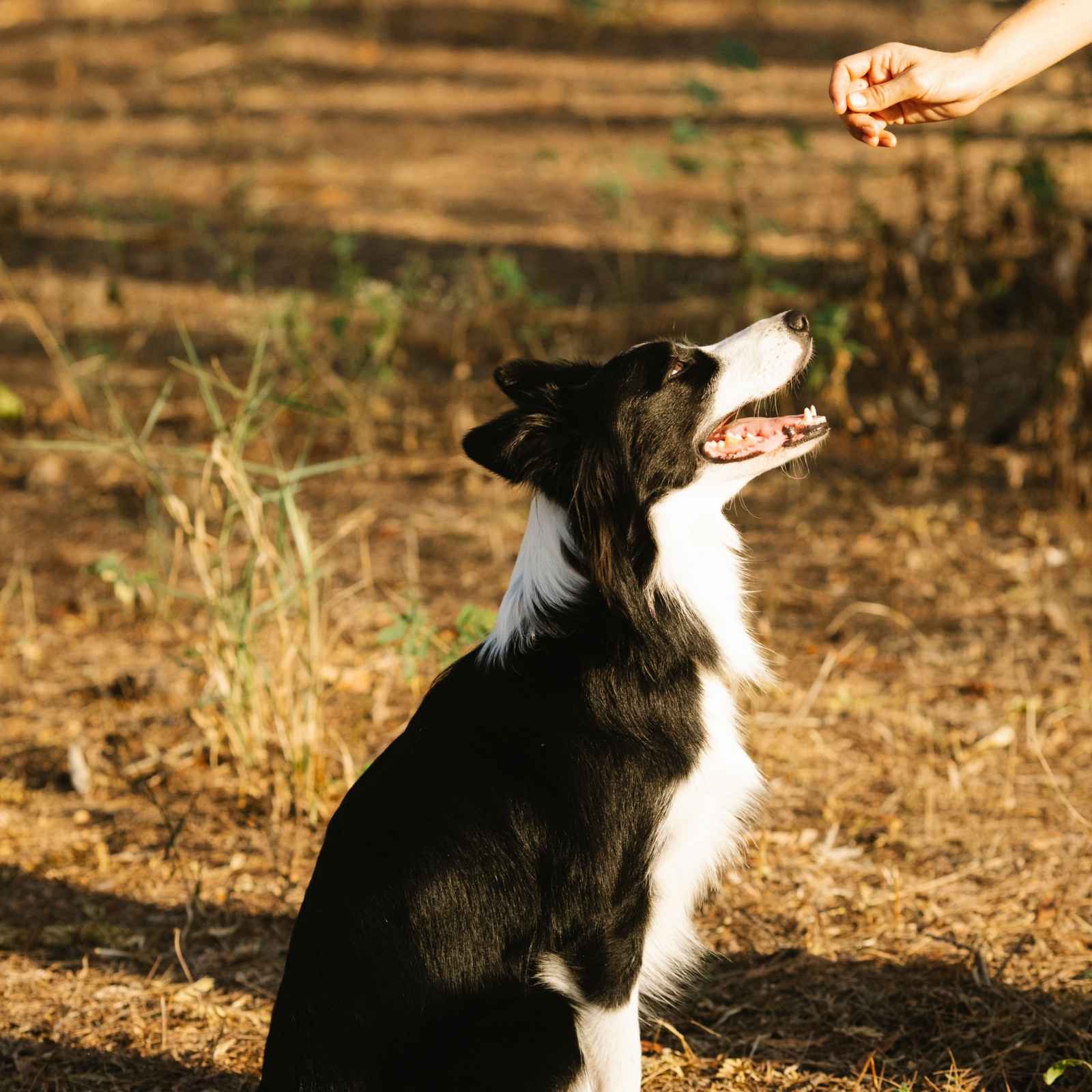
28 Oct 2026
Meet the Ancient Fields range
Complete wet food, targeted toppers, pure oils and air-dried treats: meet the Ancient Fields launch range, and the thinking behind each part.
: Meet the Ancient Fields range